May 1, 202611 min read
A guide to Shoreditch, London's coolest neighborhood Apr 17, 2026
9 MIN READ

Writer
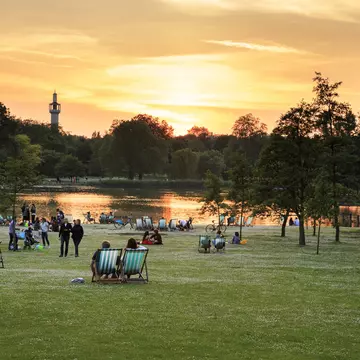
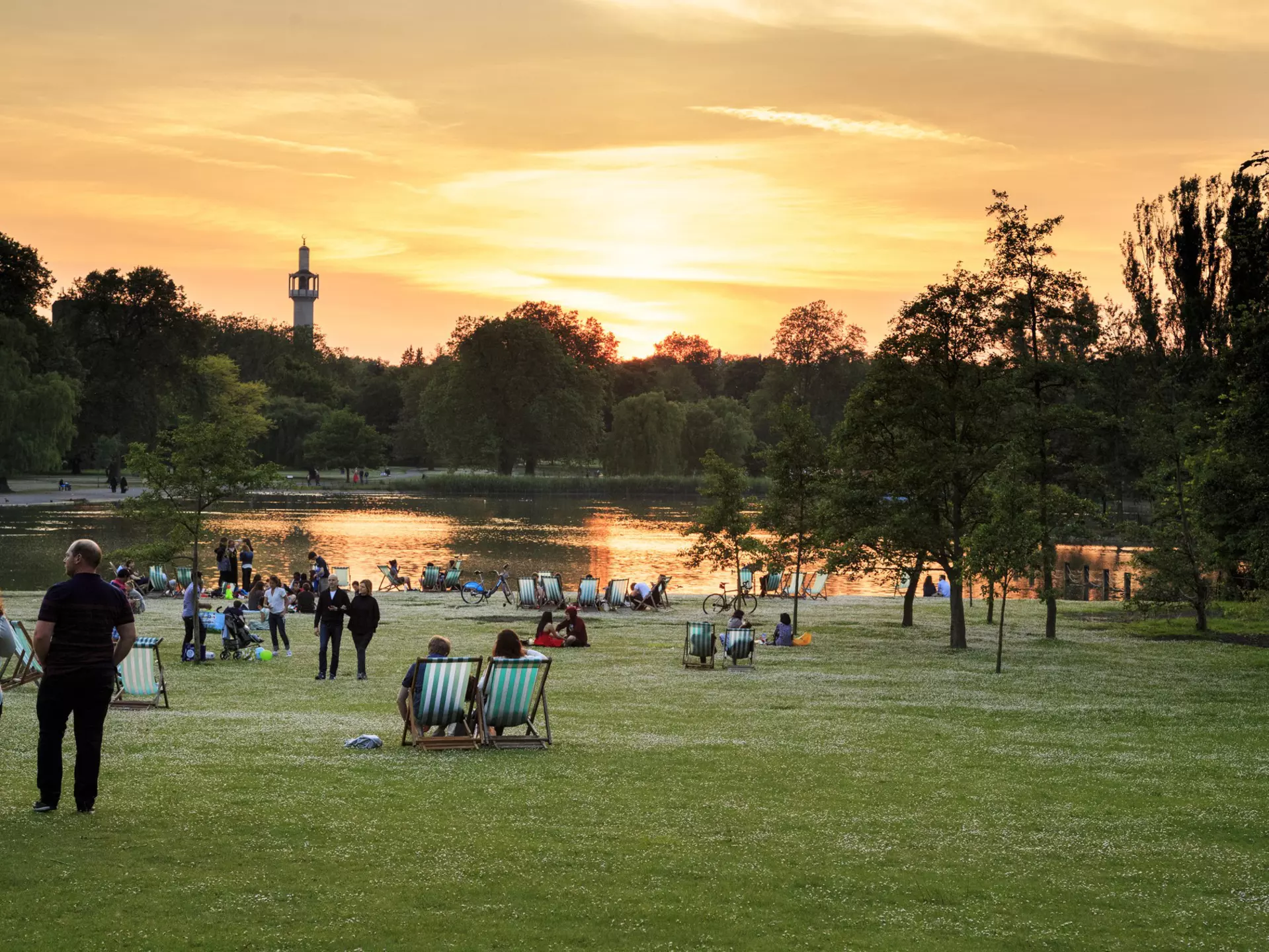
Sunset at Boating Lake in Regent's Park. goga18128/Shutterstock
Writer
London knows how to do parks. It has more than any other city on Earth, aside from Tokyo, with 11,000 valuable green spaces, including eight Royal Parks. These places are fundamental to life in the UK capital – trees’ lungs (or leaves) suck carbon out of often traffic-clogged neighborhoods, plus parks are tranquil places to find calm in a chaotic metropolis. And, just like London’s pubs in winter (which double as communal living rooms), parks become the heart of each community in fine weather.
London’s varied and often gargantuan parks are social, completely free places to explore and meet friends – perhaps while enjoying live music, swimming in open water, spotting wildlife or watching century-old plays in an outdoor theater. They’re also charming places to eat, read a book under an old oak tree or exercise.
Enjoying London's green spaces is one of the top things to do in a city packed with attractions. Read on for our curated list of top London parks, each offering something different.
Best for families
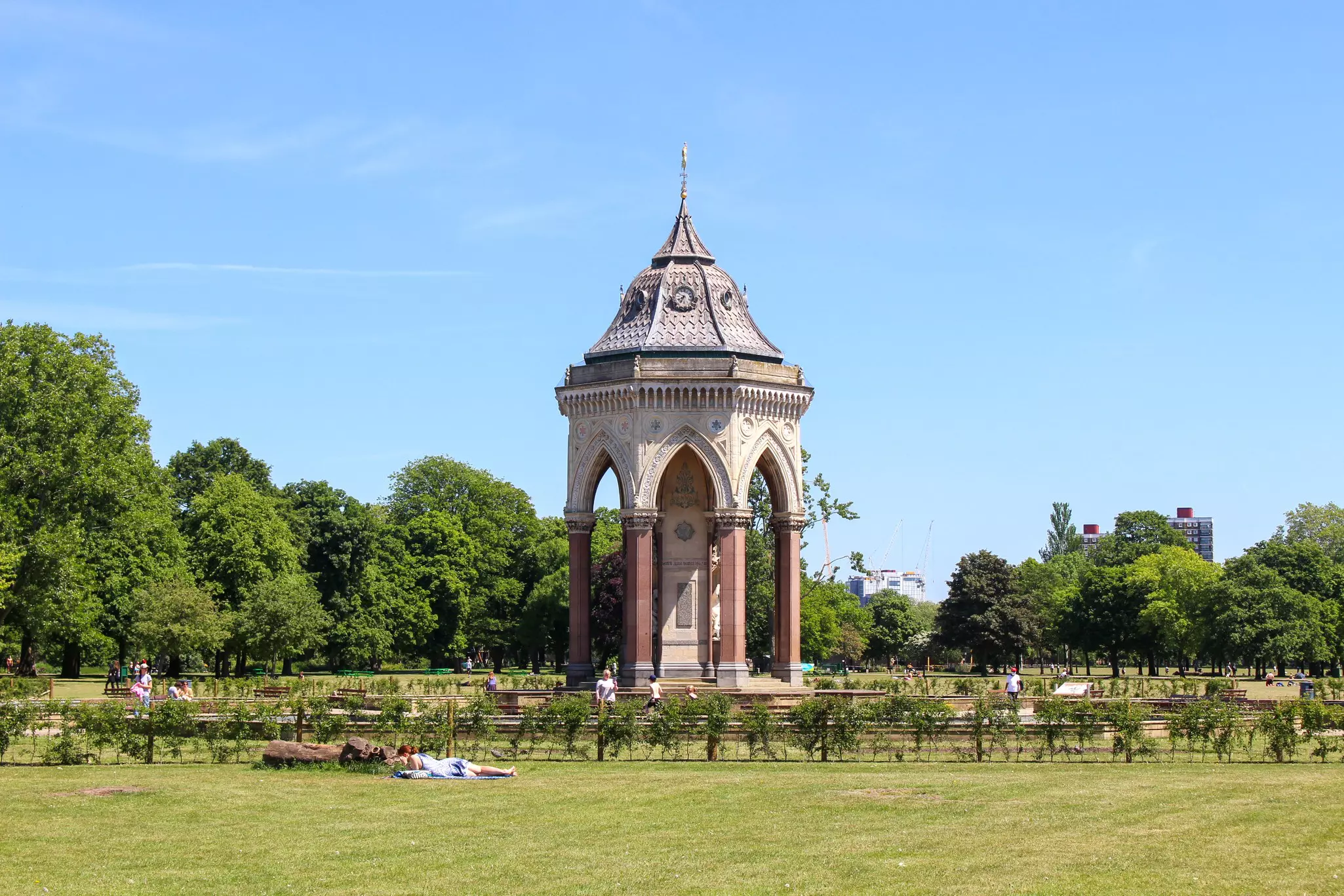
Victoria Park (or Vicky Park, as it’s known in East London) borders the traditionally working-class neighborhoods of Bethnal Green, Bow and Hackney, and it was the area’s first public park. Opened by Queen Victoria in 1845, this buzzing, vibrant canal-side space offers a microcosm of London life, with people from all walks of life roaming its well-manicured gardens and glorious lakes.
Loved by various subcultures, it’s a hangout spot for everyone from dancing roller skaters to hipsters on fixie bikes and skateboarders shredding the park’s giant concrete bowl. It also has one of London’s best playgrounds with extra-long slides, suspension bridges and cargo nets to climb.
Come at weekends to try dishes from independent food vendors in the pop-up market or attend a large-scale music festival in the summer months. August's All Points East is the big event on the calendar, showcasing a broad diversity of artists.
Getting there: Victoria Park is a 6-minute walk north of the Underground station at Mile End, but you can also stroll here from Mare St, accessible via several bus routes linking east London to the city center. Victoria Park Village, with its cozy pubs and restaurants, sits on the north side of the park.
Best for a slice of the rugged outdoors
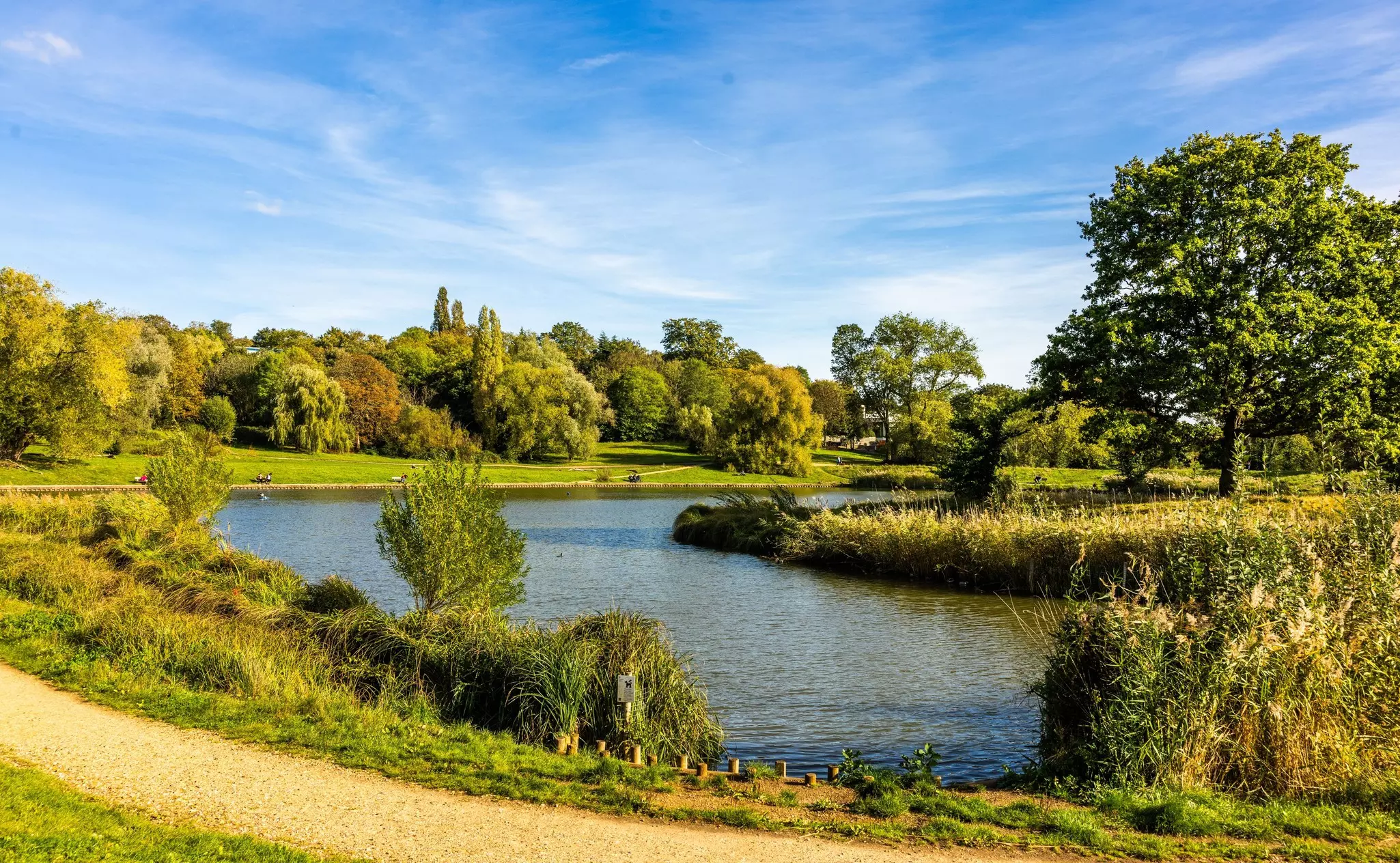
Hampstead Heath, aka "The Heath," is rugged and untamed compared to London’s manicured Royal Parks. It's a mystical place shrouded in literary legends and formerly stalked by highwaymen, with rambling woodlands, hilly meadows and undulating grassy sprawls. Since the 18th century, folks have been wild swimming in its legendary Bathing Ponds, which are said to have rejuvenating properties. In summer, the more conventional Parliament Hill Lido is thronged with families.
At the northern end of Hampstead Heath, surrounded by more than 100 acres of bucolic gardens, stands the free-to-visit neoclassical 17th-century mansion Kenwood House, filled with wonderful art and period furniture and edged by rhododendron gardens that burst into flower in late spring. Don’t leave without seeing the legally protected views of the City of London from the top of Parliament Hill.
Getting there: Hampstead sprawls across a hilly section of North London, and the way you approach will depend on what you want to do when you get here. Take the Underground to Hampstead station to access the west side of the Heath and Hampstead village, or ride the Overground train to Gospel Oak station or Hampstead Heath station for Parliament Hill, the Lido and the bathing ponds. The 210 bus route from Finsbury Park station passes Kenwood House.
Best for birds and flowers
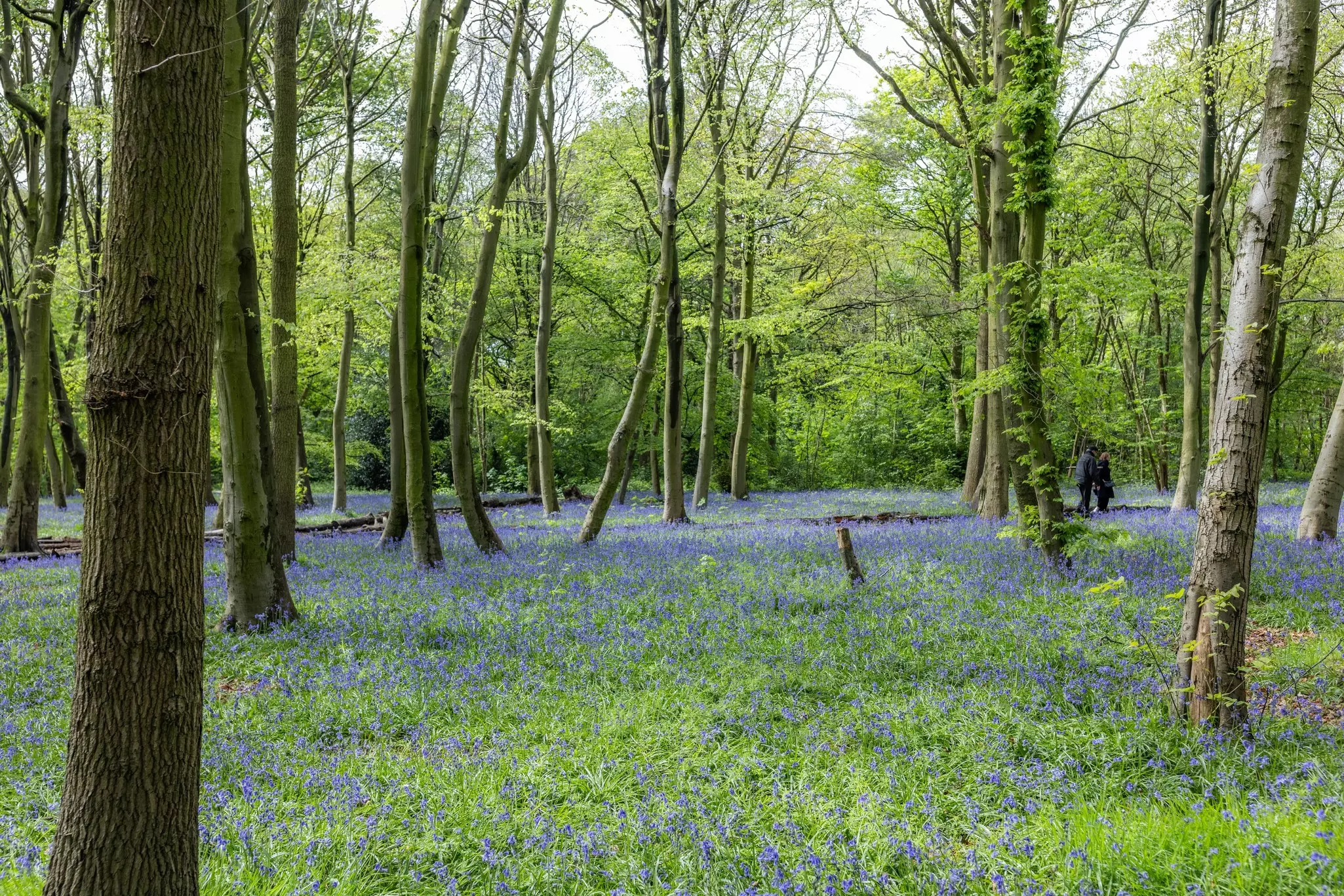
With untamed grassy lawns, ancient heaths, shaded woodlands dotted with wildflowers and ponds of birdlife, Wanstead Flats and Wanstead Park are a local secret in East London. Stretching for 8 miles, this gorgeous green area at the edge of Epping Forest can be accessed from Leytonstone, Forest Gate, Manor Park and Wanstead.
The most striking section is Wanstead Park, which has a cascade of five lakes fed by the River Roding. The Tea Hut acts as a meeting place in all weather, while a community riding school offers pony treks for children along the park’s many trails and through ancient woods. Don’t miss the striking violet carpet of bluebells at Chalet Wood every spring, which has become an Instagram sensation.
Getting there: Wanstead Park is within walking distance of Wanstead and Redbridge stations on the Central Line of the Underground. Overland trains run to Wanstead Park station to the south of the park.
Best for stargazing and views
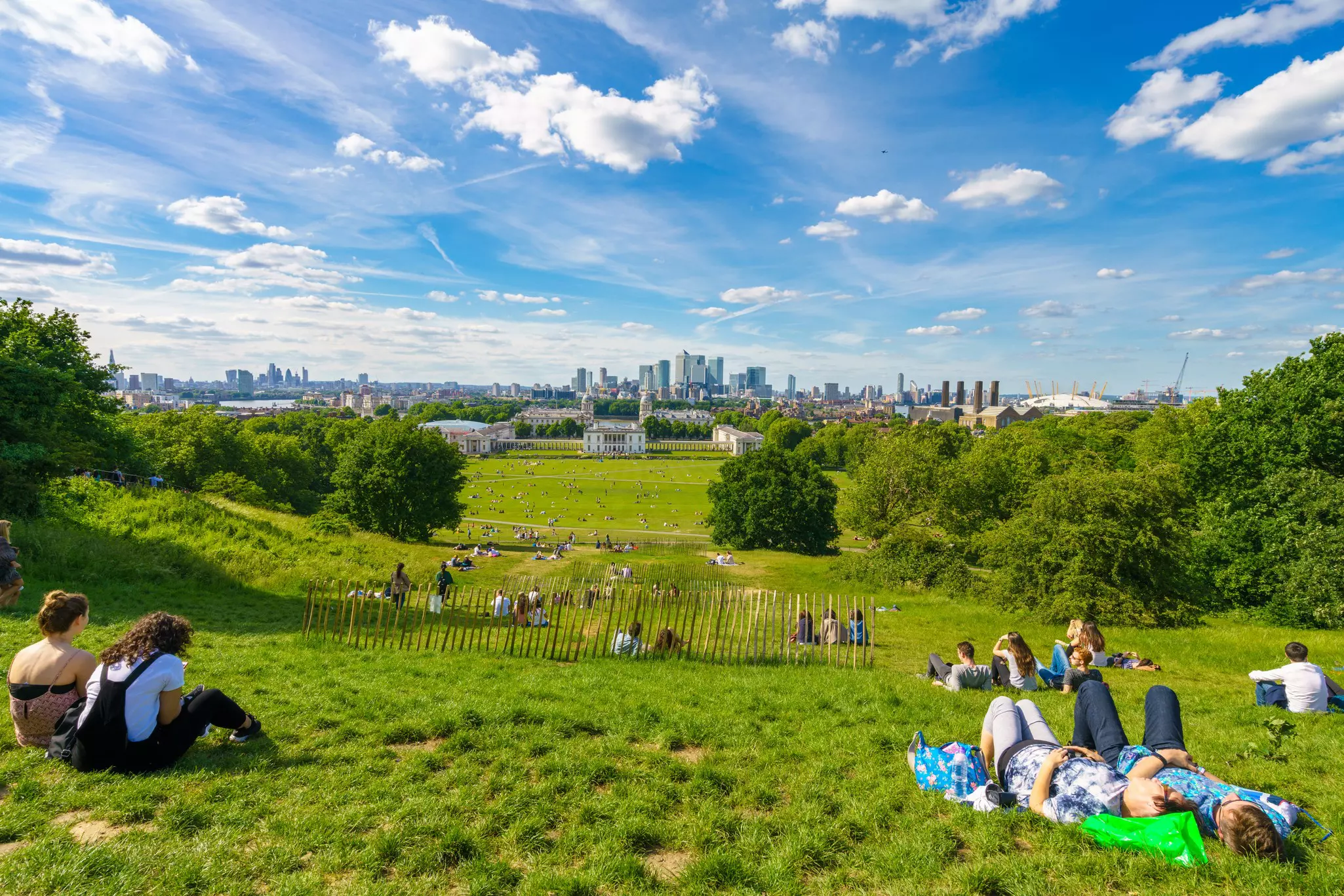
Formerly a British Royal Navy base and maritime trade hub, Greenwich is where some of history's great minds advanced the fields of navigation and astronomy. The famous market and Old Royal Naval College sit just northwest of delightful Greenwich Park, with a rose garden, snaking pathways and a popular kids' playground and boating lake.
The park is also home to the Prime Meridian line, which marks 0° longitude and from which all east–west distances and times in the world are measured (climb the hill to stand on the line). Nearby, the Royal Observatory (which requires an entry fee) has historic telescopes, John Harrison's H4 chronometer (which allowed sailors to accurately work out how far east or west they were around the world for the first time) and planetarium shows led by an expert astronomer.
Take a moment to enjoy views of the past in the form of the Old Royal Naval College, founded in 1873 on the site of a hospital built by Christopher Wren and the 17th-century Queens House. In the background, the future puts in an appearance in the form of the soaring modern skyscrapers of Canary Wharf.
Getting there: The Greenwich and Cutty Sark stops on the Docklands Light Railway (DLR) are a short stroll from Greenwich Park, or you can arrive by Thames Clippers riverboat (stops dot the riverbanks throughout central London).
Best for a long walk, run or bike ride
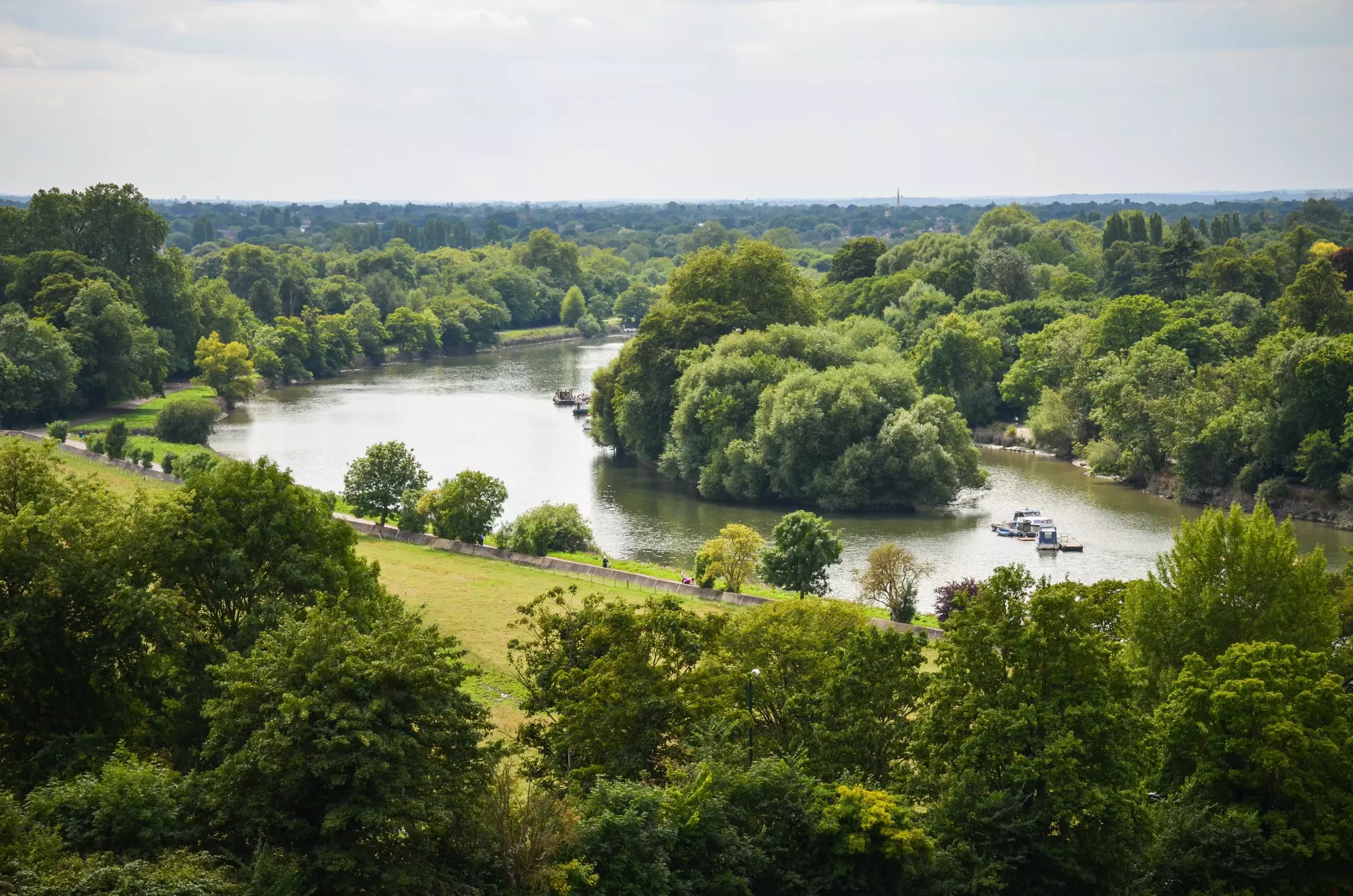
London’s largest Royal Park is a whopper. Covering 2718 acres of greenery, it's the largest city parkland in Europe. This beloved outdoor space began life as a designated hunting ground for King Charles I in the 17th century, and more than 600 deer still roam free here, along with legions of walkers and Lycra-clad cyclists.
It’s easy to spend a whole afternoon wandering along the many pathways under ancient oak trees, past ponds and through wild meadows. Hike 60m up to King Henry's Mound for glorious city views – some 4500 years ago, this spot was a Bronze Age burial chamber.
Getting there: Richmond Park covers a vast area, and getting here by public transport can involve some walking too. Richmond Underground and Overground station is about 1 mile north of the park, but the 65 bus will take you to the Petersham Gate. From March to November, a special shuttle bus runs around the parkland on Monday, Wednesday and Friday – handy for travelers with mobility needs.
Best for wildlife spotting
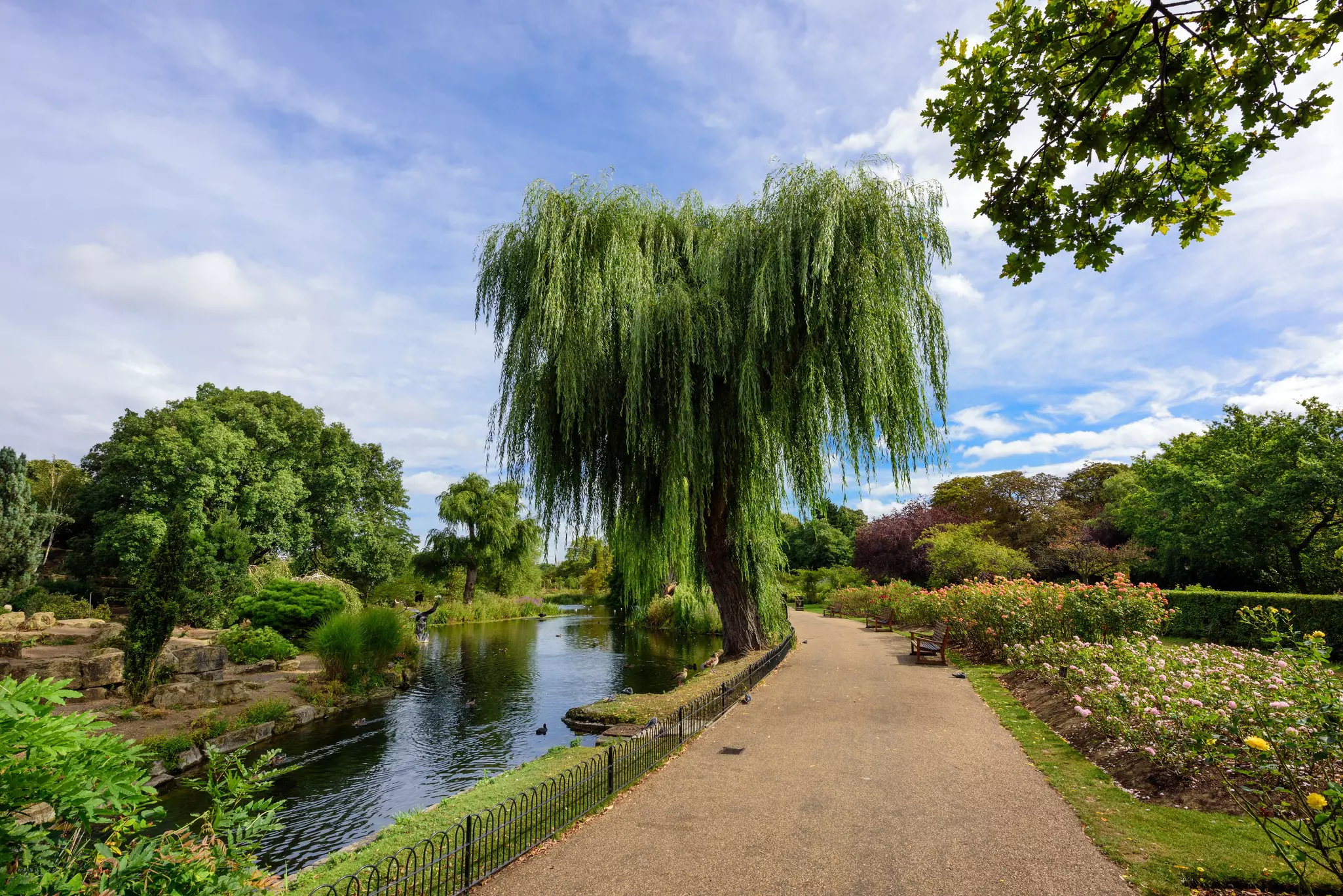
Outdoor spaces don’t get much more attractive than Regent’s Park, which was originally designed for the Prince Regent (who later became King George IV). Not content with 150-year-old trees, rose gardens (with 20,000 roses of 400 varieties), tiered fountains, evergreen hedges, a display of 9000 begonias in spring and ornate bandstands, the park is also home to more than 20,000 animals.
The phenomenal London Zoo houses colobus monkeys, Sumatran tigers, gorillas, pygmy hippos, penguins, Komodo dragons and many other species. To the south of the park, summer visitors can be transported back to the days of Shakespeare at the Regent’s Park Open Air Theatre.
Throughout the year, keep your eyes peeled for wild hedgehogs – the park has one of the most significant populations of the spiny mammal in London. Every October, the park attracts the rich, famous and artistically inclined for the huge Frieze art fair.
Getting there: Regent's Park sits in the heart of the city, so you can get here easily on the Underground; the Great Portland St, Regent's Park and Baker St stations trace the park's southern boundary. For London Zoo, it's easier to walk from Camden Town Underground station.
Best for a dose of sporting history
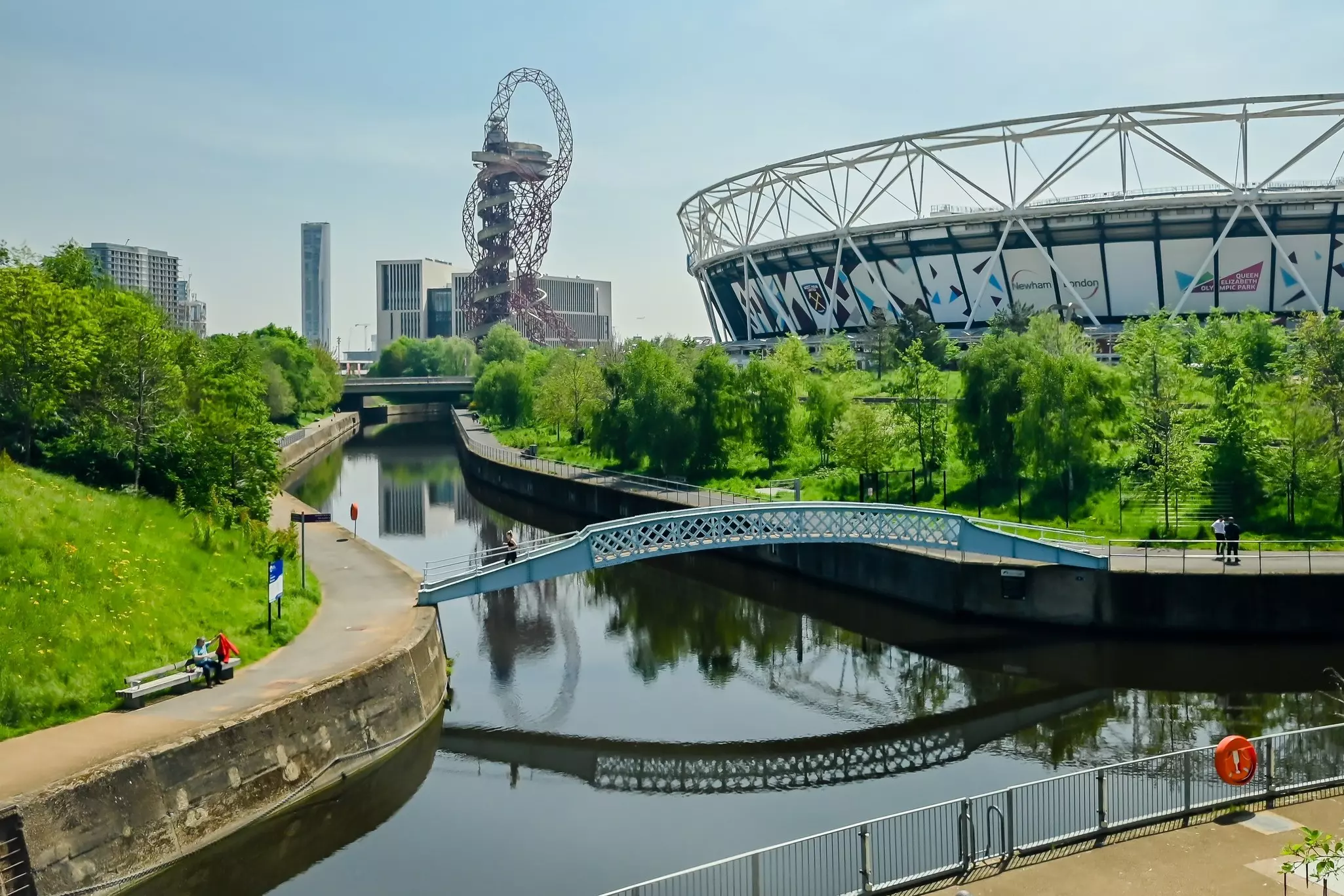
The giant, 555-acre Queen Elizabeth Olympic Park was built for the 2012 Summer Olympics and Paralympics, complete with world-class sporting stadiums, and it was then converted into a fully fledged park on the borders of Stratford and Hackney Wick, Leyton and Bow.
Walkers can wander shaded woodlands, open meadows and muddy wetlands, while those with extra energy can swim in the former Olympic pool, ride around the velodrome, or rent a bike to explore 21 miles of multi-use paths and trails and serene neighboring canal paths.
The park is also dotted with great cafés, cultural attractions such as the new V&A East, kids’ playgrounds, and some unique attractions, including the world’s largest tunnel slide inside the ArcelorMittal Orbit sculpture designed by Anish Kapoor.
Check the Queen Elizabeth Olympic Park website for maps of themed rambles, from an art trail and wildlife trail to an Olympic Legacy trail and Heritage trail. Many people combine a visit with a trip to the vast Westfield shopping center.
Getting there: Served by both Underground and Overground trains, Stratford station is a short walk from both the park and Westfield.
Best for athletic fields and boat rides
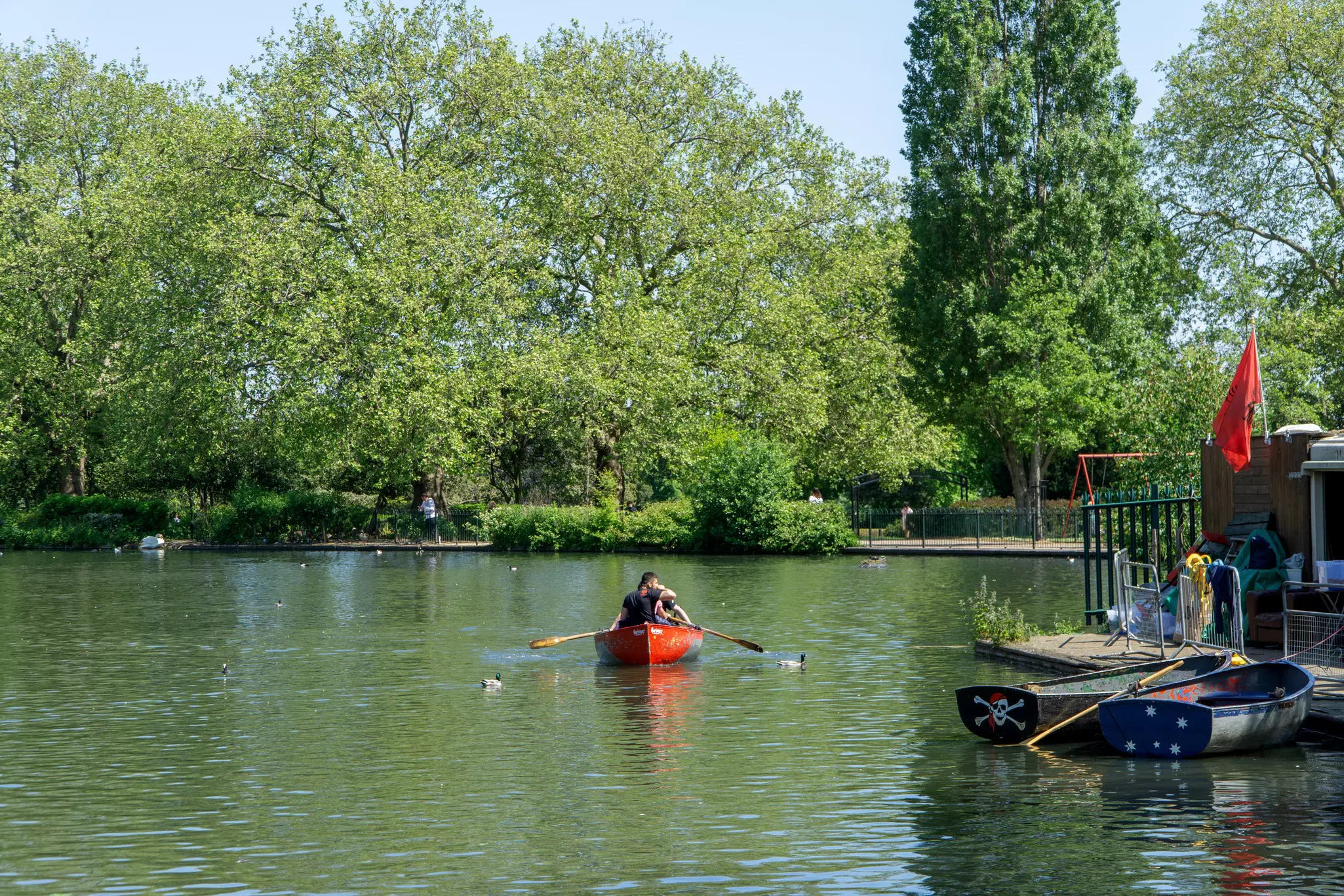
Dating back almost two centuries, hilly Finsbury Park is a North London gem sprawling over more than 100 acres of grassy hills scattered with flowerbeds. Children love the giant playgrounds, with enormous structures and nets to climb over and zipwire swings to conquer, and locals gather to stroll, play sports and snack in the park cafe.
The park still has a traditional Victorian boating lake offering boat rides, too. Or bring your sporting gear for the basketball and tennis courts, football pitches, baseball diamonds and American football field. If you fancy a longer walk, the park marks the start of the 3.1-mile Parkland Walk, which follows the route of a disused railway line to Highgate, finishing about a mile from Hampstead Heath.
Visit in July for the 3-day hip-hop Wireless Festival; previous headliners have included Kenny Allstar, Travis Scott and Skepta. Plenty of big rock names have played in the park, too, from Neil Young to Biffy Clyro and Kasabian, and funfairs pop up throughout the year.
Getting there: The Finsbury Park and Manor House Underground stations are close to the park entrances, or you can get here by Overland train.