Apr 21, 20269 min read
12 tips for visiting Reykjavík on a budgetApr 21, 2026
9 MIN READ
Contributors
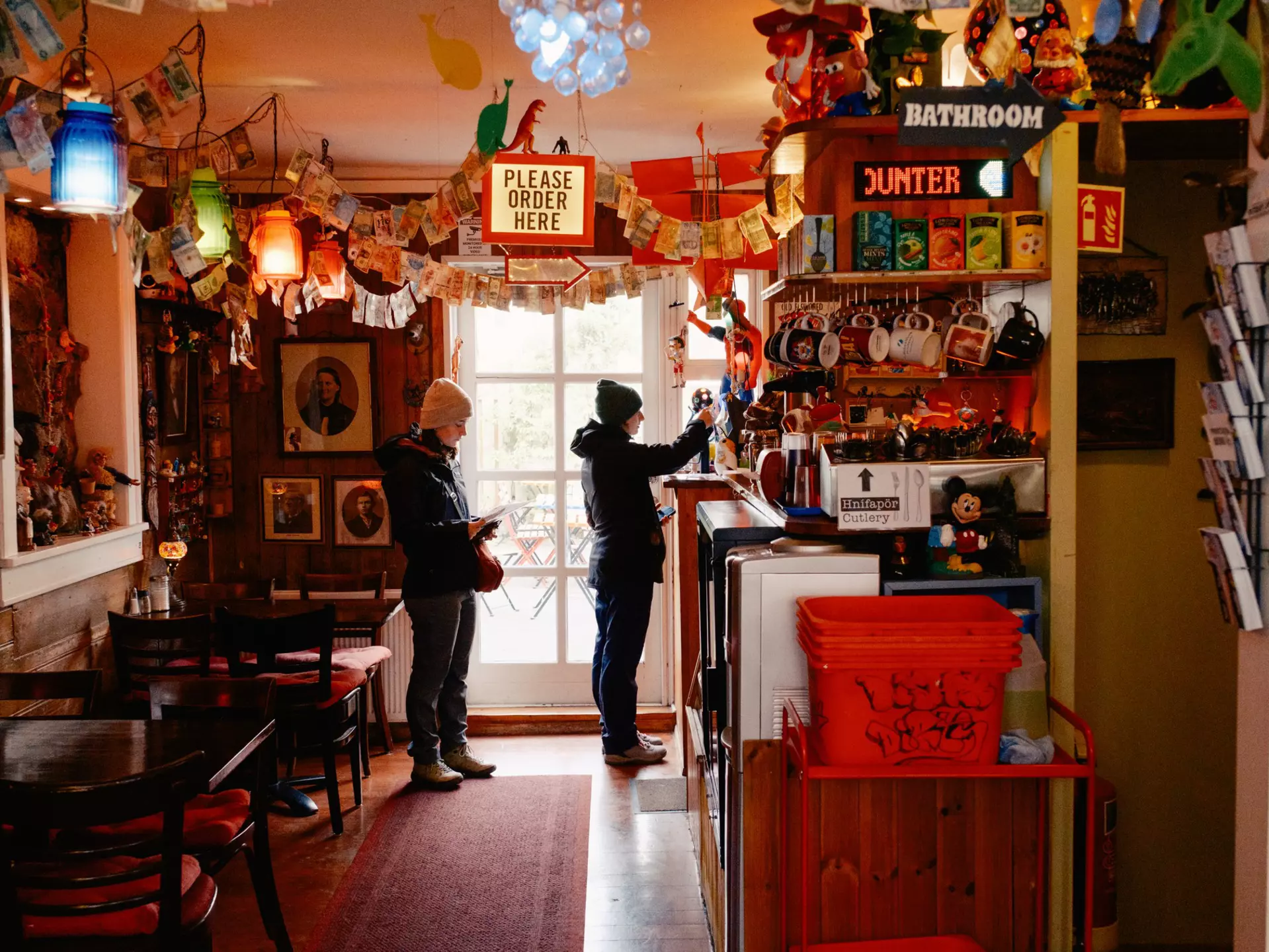
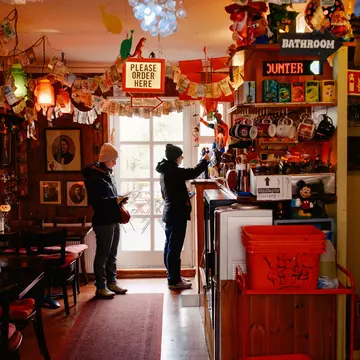
Cafe Babalú, a quirky cafe in Reykjavík. Daniel Dorsa for Lonely Planet
Contributors


Jesse Scott, Lonely Planet Editors
Ranking high on many lists of the “most expensive cities in Europe,” the capital of Iceland can be expensive, but there are some easy ways to save when you visit Reykjavík on a budget.
The key thing to consider on any trip to Iceland is value. Even with the high cost of living, a trip to this land of fire and ice – eat your heart out, Game of Thrones – will deliver plenty of priceless experiences, from close encounters with whales and Viking history to outdoor adventures amid icebergs, geysers, waterfalls, glaciers and volcanoes.
But it is safe to say that your stay in Reykjavík is likely to be the most expensive part of your trip. It's easy to be lured in by a flight that seems very affordable compared to other destinations in Europe, but once your boots are on the ground, you'll soon be faced by the reality of high prices for accommodation, eating and drinking.
But a trip to Reykjavík doesn't have to become a major unplanned spending spree. If you take advantage of free things to see and do, use a discount pass for paid attractions, and choose your meals, nights out and transportation wisely, Reykjavík needn't be any more expensive than any other European capital.
Whether you are drawn by the scenery, the culture, or the city's famous summertime runtur bar crawl, here are our top tips for visiting Reykjavík on a budget.
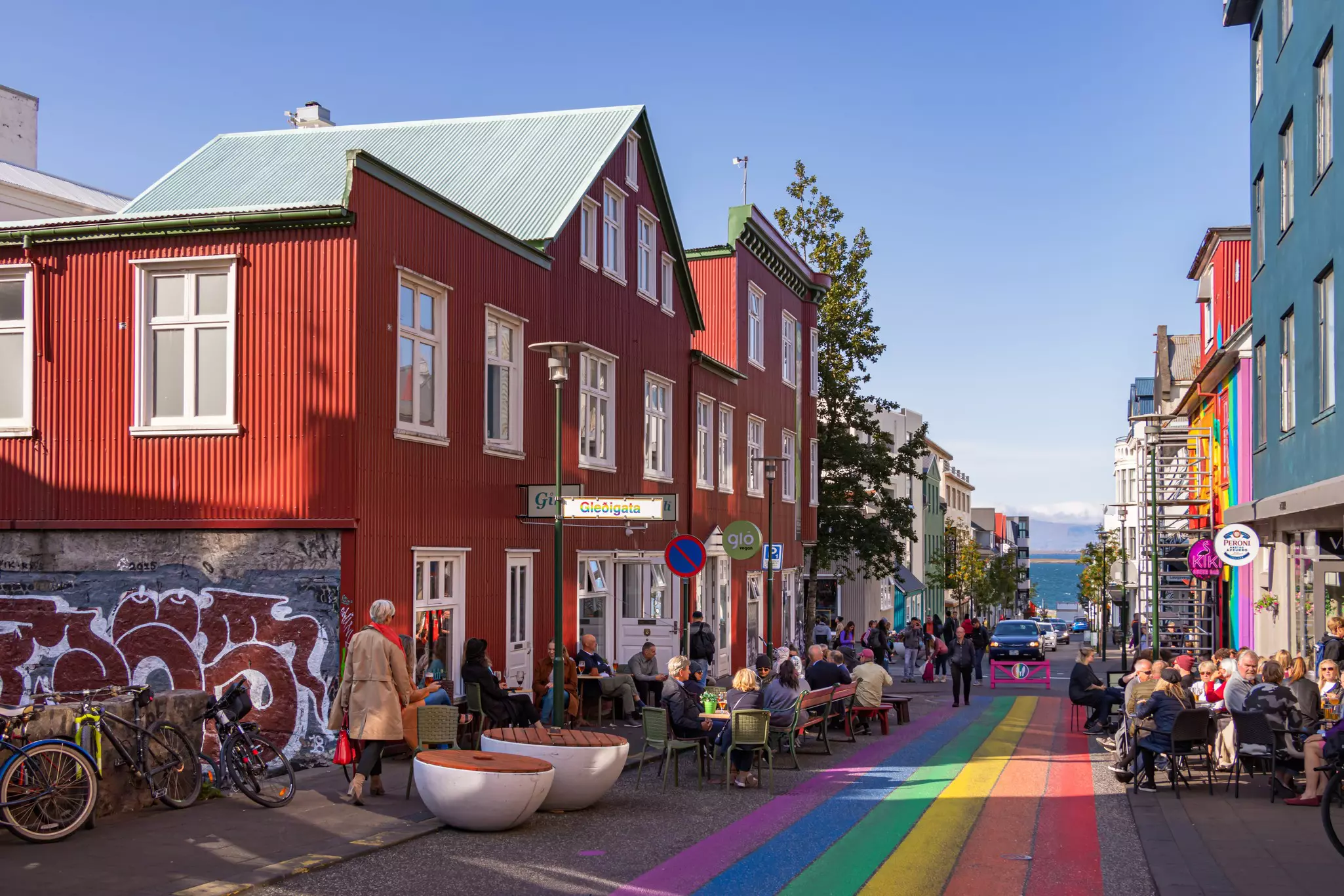
The months from June to August are pure bliss in Reykjavík and southern Iceland – temperatures can reach 15°C (59°F), the whale-watching season is in full swing, and the “midnight sun” radiates for 20-plus hours a day, making all-night nightlife a real possibility. Unfortunately, this is peak season, and folks flock to the city, making everything more expensive.
If you don't mind the cold, January through May is the best time for discounted flights, lodging and tours, and the winter months are also the prime time to catch the northern light (head out of the city for the best views – the Heiðmörk Nature Reserve is a top location). You'll also find some deals in the fall from October to early December, before prices climb for the Christmas holiday season.
Despite being a growing tourism hotspot, Reykjavík doesn't have an endless supply of lodging options, and there are few discounts available on hotel booking sites. Whether you're looking at a chain hotel (Hotel Collection by Berjaya and Íslandshótel are two of the biggest operators), a boutique hotel, a low-cost hostel, or a guesthouse or Airbnb stay, book well in advance. Waiting until you get to Reykjavík won’t save you money, and you may have to take whatever is available if you leave things to the last minute.
When it comes to reaching Reykjavík from North America or Europe, Icelandair remains the go-to airline. Iceland’s national carrier offers hundreds of nonstop and connecting flights per week to Keflavík International Airport, about 49km southwest of Reykjavík. Discounts are sometimes offered on transatlantic flights to tempt US travelers to take a stopover, but there may be cheaper options.
Twenty-three other airlines operate to Keflavík airport as well, including European discount airlines such as EasyJet and Wizz. Look out for pocket-friendly discount fares, but always read the fine print for extra in-flight and baggage charges. Fitting enough warm clothing for a winter or early spring break into a single carry-on bag that meets the airline restrictions might be a challenge.
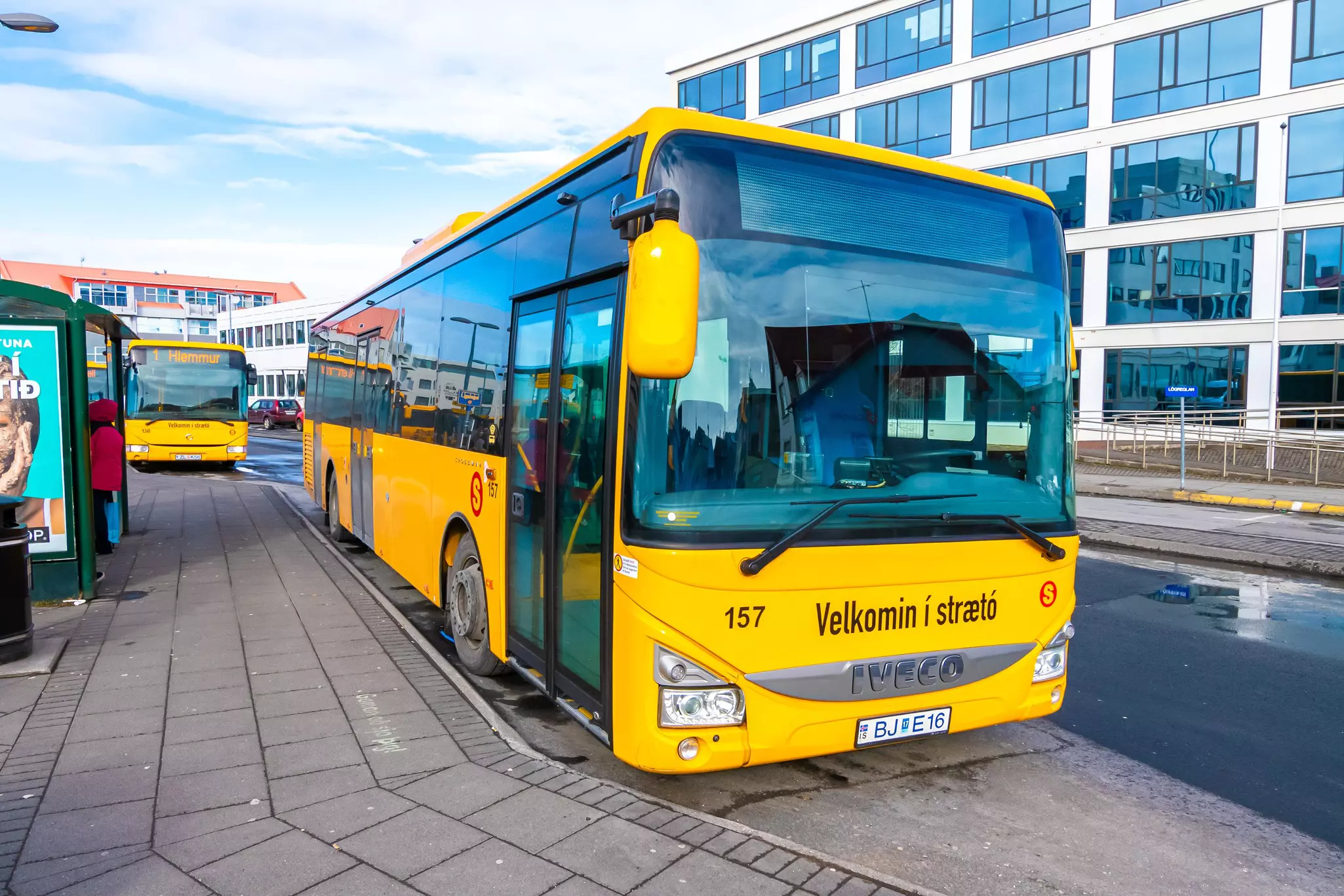
Keflavík International Airport is located a 45-minute drive southwest of Reykjavík's urban core. Traveling from the airport to the center can be expensive by taxi, and the cheaper Flybus bus transfer service will still cost you from 3999 Icelandic krónur (kr). Budget travelers may find this a good time to get acquainted with the island's public bus system, known as Strætó.
The ride to the center may take a little bit longer on the 55 bus – typically an hour and 10 minutes – and buses only run every few hours, but one-way fares are 2400/1200kr for adults/children. Beyond line 55, Strætó has more than 50 routes running around the island – a useful alternative to hiring a car, though buses are more useful for reaching towns than getting to Iceland's natural wonders.
While “don’t drink the tap water” is a mantra that should absolutely be adhered to in some countries, Iceland is not one of them. Reykjavík has some of the purest water you’ll find anywhere, sourced from Iceland’s natural springs, so don't bother buying bottled water here! While we're talking water, the water in Reykjavík's hot taps can smell slightly of sulfur, thanks to its geothermal source, but it's fine to wash in.
Reykjavík is a very walkable city, and staying closer to the center can help reduce your local transport costs. From the historic center, known as Gamla Reykjavík, you can reach the architecturally distinctive Hallgrímskirkja cathedral, Hljómskála Park and museums galore on foot in as little as 20 minutes.
Guided walking tours are another good way to get your bearings and learn more about the capital; as well as ticketed tours, there are free tours, and CityWalk is one of the best. Just be sure to tip your guide, as they depend on tips for their income.
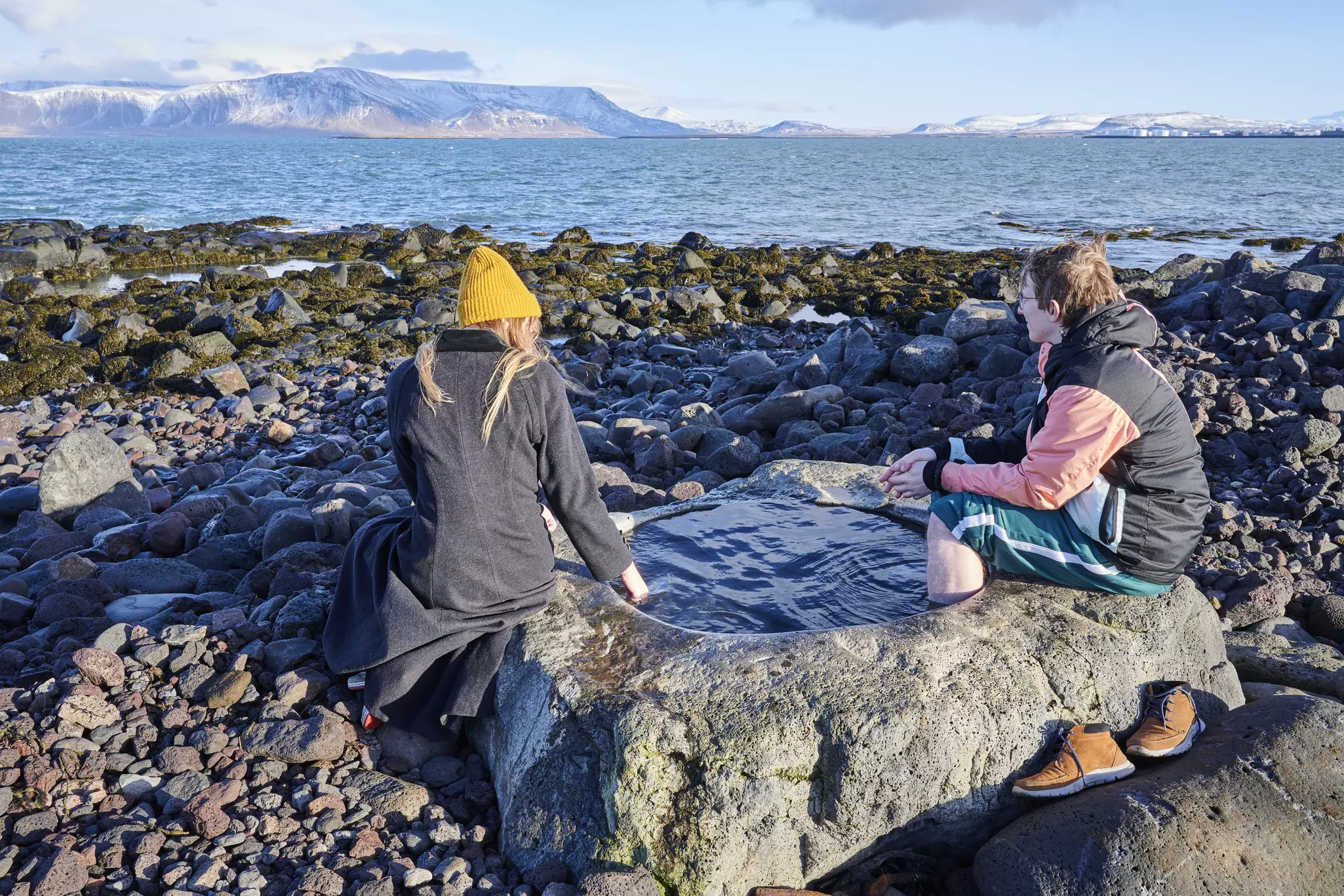
Approximately 50km southwest of central Reykjavík, near the airport, the dramatically located geothermal swimming pools of the Blue Lagoon get a lot of Instagram love. But you don’t have to venture out of the city to find a cheaper geothermal experience.
The free-to-use hot pool at Grottá (aka the Kvika Foot Bath) is a much more intimate option, situated in the suburb of Seltjarnarnes near the white lighthouse at the end of the Reykjavík peninsula. There's just room to dip your feet and ankles in the warm water, but the coastal setting, 4km northwest of the city center, offers sweeping views toward the Snaefellsnes Peninsula across the bay.
Another option is the Nauthólsvík geothermal beach near Reykjavík University on the south side of the city; there's an entry fee in winter, but you can enjoy the naturally heated waters at this manmade sandy beach for free from May to August.
If pools, museums and bus travel are all on your Reykjavík itinerary, the Reykjavík City Card is a no-brainer. With 24-, 48- and 72-hour options, this special tourist card grants free entry into all of the city’s swimming pools, free bus travel (excluding the airport route) and complimentary entry at selected museums and attractions.
Prices start at 6100kr for the 24-hour pass – worthwhile if you have a full day of museum-hopping planned. To get the best from the card, take advantage of the free trip to Viðey Island for card-holders; on the island, you can view art installations and historic ruins.
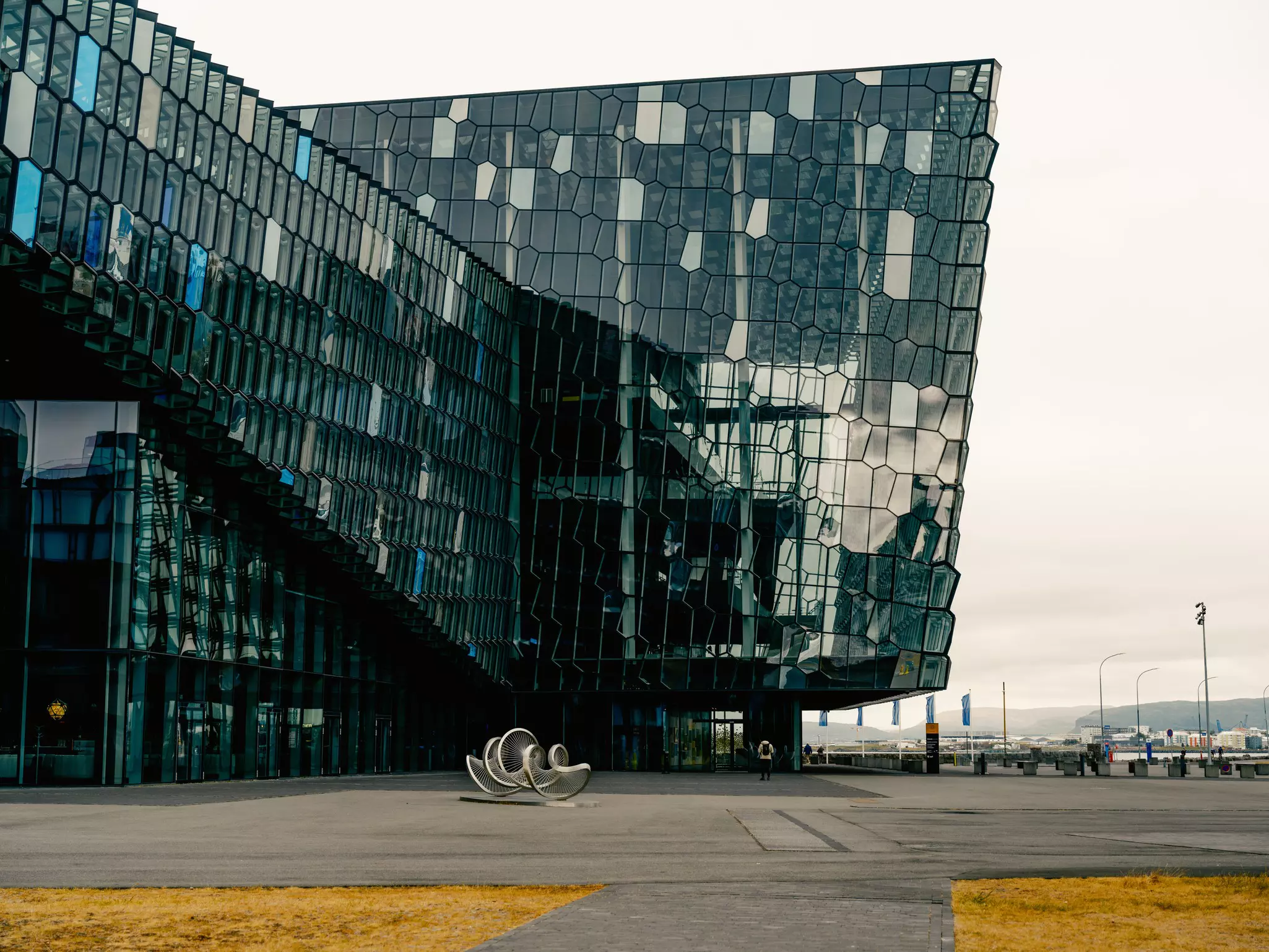
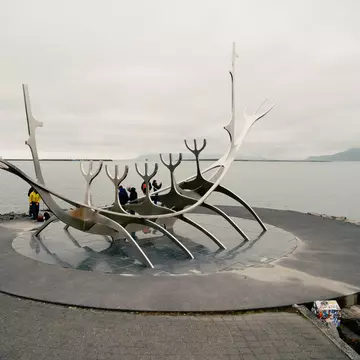
Plenty of things in Reykjavík are free to enjoy, so include some free experiences in your itinerary to make your budget go further. From admiring the historic architecture of Gamla Reykjavík, the iconic Harpa Concert Hall and Jón Gunnar Árnason's ship-shaped Sun Voyager sculpture on the waterfront to going berry picking in Heiðmörk Nature Reserve, there are loads of ways to keep busy that won't cost you a króna.
Iceland has one of the highest alcohol taxes in the world – up to 75% of the purchase price of a bottle of beer, wine or spirits – and alcohol is only sold in bars, restaurants and dedicated Vínbúðin stores (which are cheaper than bars and restaurants, but keep limited hours).
If you want to have a bottle of vino or Brennivín (Icelandic schnapps) on hand for your Reykjavík adventure, you may want to stock up at the airport’s duty-free stores. Otherwise, keep an eye out for happy hour discounts between 4pm and 7pm at the bars along pub-crammed Laugavegur and surrounding streets.
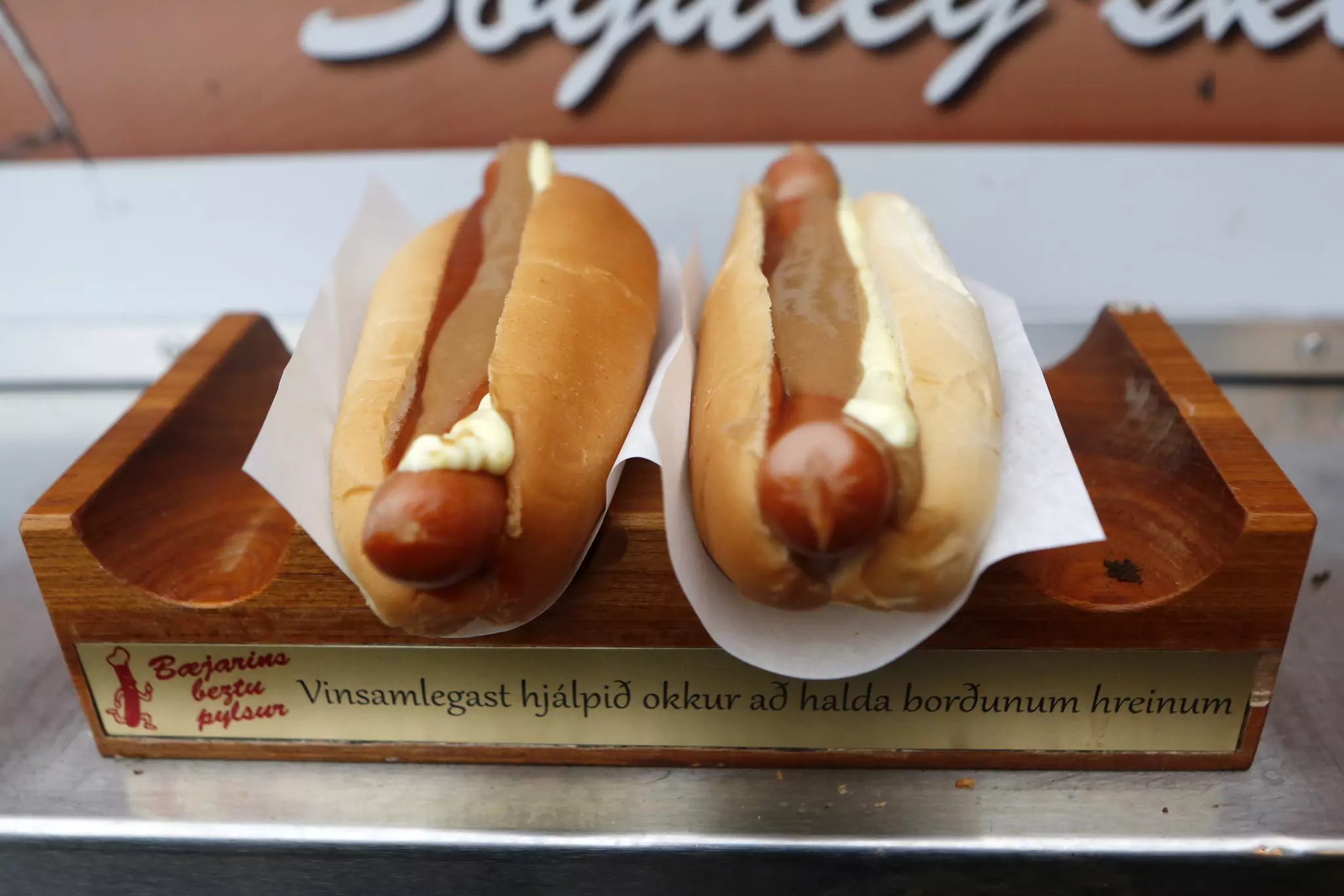
Street food is on the rise in Reykjavík, with comparatively inexpensive food halls, such as Hlemmur Mathöll and the Old Harbor’s Grandi Mathöll, taking center stage, but for a truly pocket-friendly meal, seek out the city's hot dogs.
Made with Icelandic lamb, hot dogs are an inexpensive cultural experience here. The unassuming Bæjarins Beztu Pylsur – translating to “the best hot dog in town” – remains a favorite stop for a low-cost, on-the-go snack, with seven locations throughout the city.
Sure, there are pricey shopping options aplenty in the Kringlan mega mall and along Laugavegur, but for price-conscious keepsakes, handmade Icelandic goods and local foodstuffs, the Kolaportið marketplace near the east end of the harbor is as uniquely Reykjavík as it gets. It’s across the street from the Hafnarhús (Reykjavík Art Museum), and open on Saturday and Sunday; bring cash for purchases.
A daily budget of 15,000 krónur is a good starting point if you stay in hostels and eat in cheaper establishments. You can easily triple this if you stay in a guesthouse or hotel and visit lots of restaurants and bars. Here are some costs for common items.
Night in a boutique hotel: 36,000–55,000kr
A guesthouse room with a shared bathroom: 22,000–29,000kr
A hostel dorm bed: 5000–7000kr
Camping at a campground: 1500–2500kr
A bottle of beer in a bar: 1050-1700kr
Bowl of soup with bread: 1700–2500kr
A hot dog: 300-600kr
Meal in a cafe: 2500–5500kr
Main dish in a high-end restaurant: 4500–7000kr