Advertisement
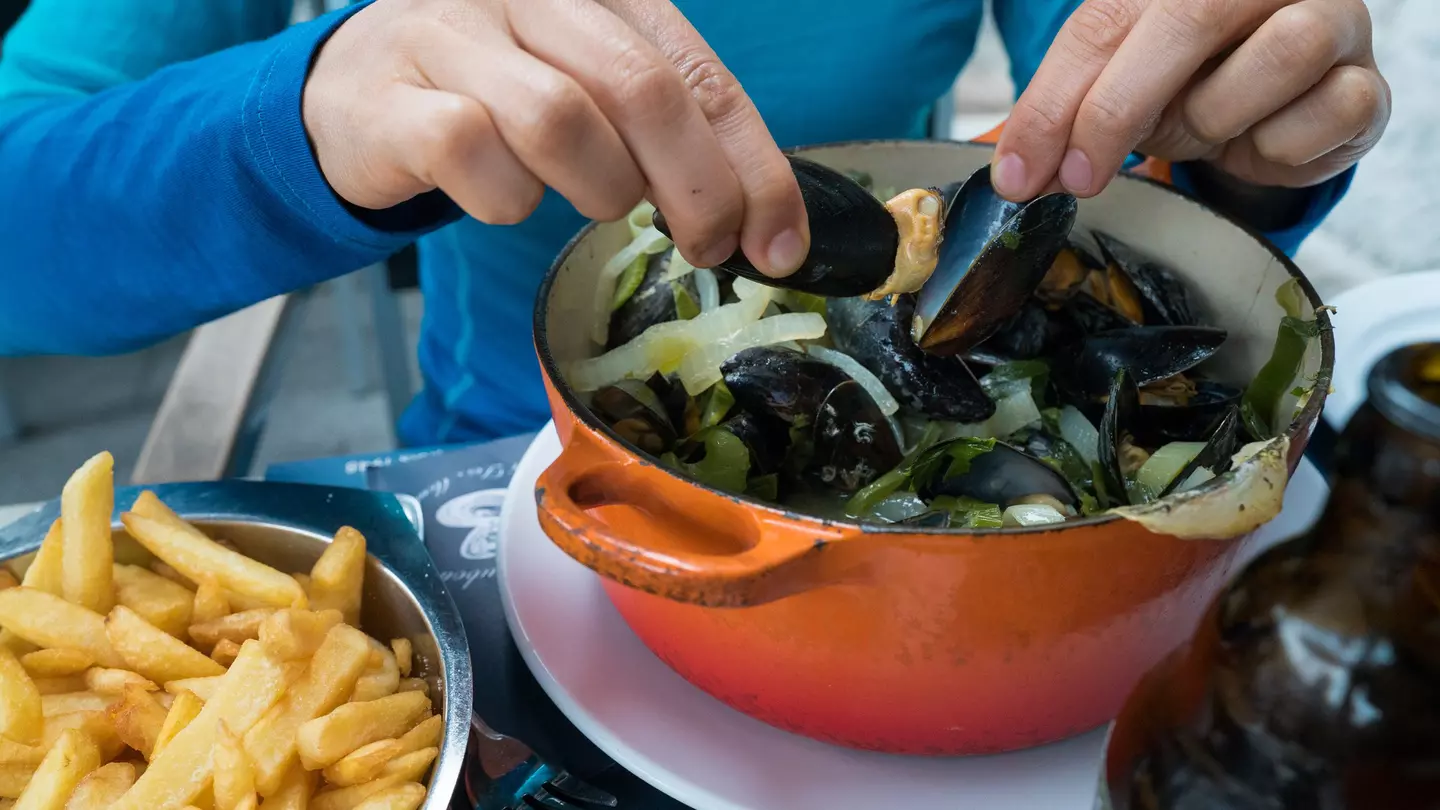
Belgium's national dish of mussels and fries. makasana/Getty Images/iStockphoto
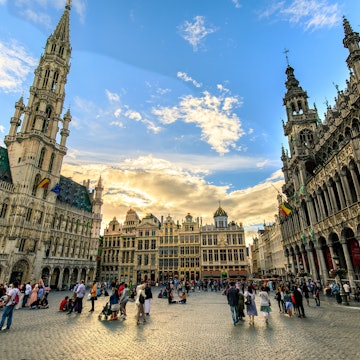
The maxim that good things come in small packages definitely applies to Belgium. It is perfectly located at the crossroads of Western Europe and is full of UNESCO‑listed sites (the Grand Place in Brussels, the city of Bruges) and cultural events (the Binche Carnaval), plus masterful art, world‑class architecture and a surprising variety of landscapes, from the North Sea’s wide beaches to the deep forests of the Ardennes – all of which is close by, no matter where you are.
As you can see, it is far from boring. It took me a few years away from home to realize what a neat little country Belgium truly is. Before you meet the good-natured, humorous locals or stuff your face with frites (definitely not French fries), chocolate and waffles, here are some things you should know about Belgium.
1. Mind the new entry rules
In early 2026, the European Union, including Belgium, fully rolled out the Entry/Exit System (EES). Non-EU citizens will have their fingerprints and facial image recorded at the border.
By late 2026 – after much delay – the European Travel Information and Authorisation System (ETIAS) will be implemented. Travelers from visa-exempt countries (like the USA, UK, Australia and Canada) will need an approved ETIAS before arrival. Avoid a costly intermediary and apply on the EU portal; without a completed ETIAS application, you won’t be allowed to board the plane.
2. Pack layers and ditch the heels
Belgian weather is notoriously fickle and rainy, especially in spring (April and May) and fall (October and November), which experience the famous “four seasons in one day” effect. In fact, the weather is often a conversation starter.
To stay comfortable, wear layers, rather than one heavy coat. A raincoat is often more practical than an umbrella, as the winds can make short work of a cheap frame, although you’ll find umbrellas readily available, from supermarkets to souvenir shops, should you need one.
Lonely planet’s trusted travel insurance provider
Travel with confidence. Protect your trip and your wallet.
We don’t represent World Nomads, we receive a fee from quotes using this link. This is not a recommendation to buy travel insurance.
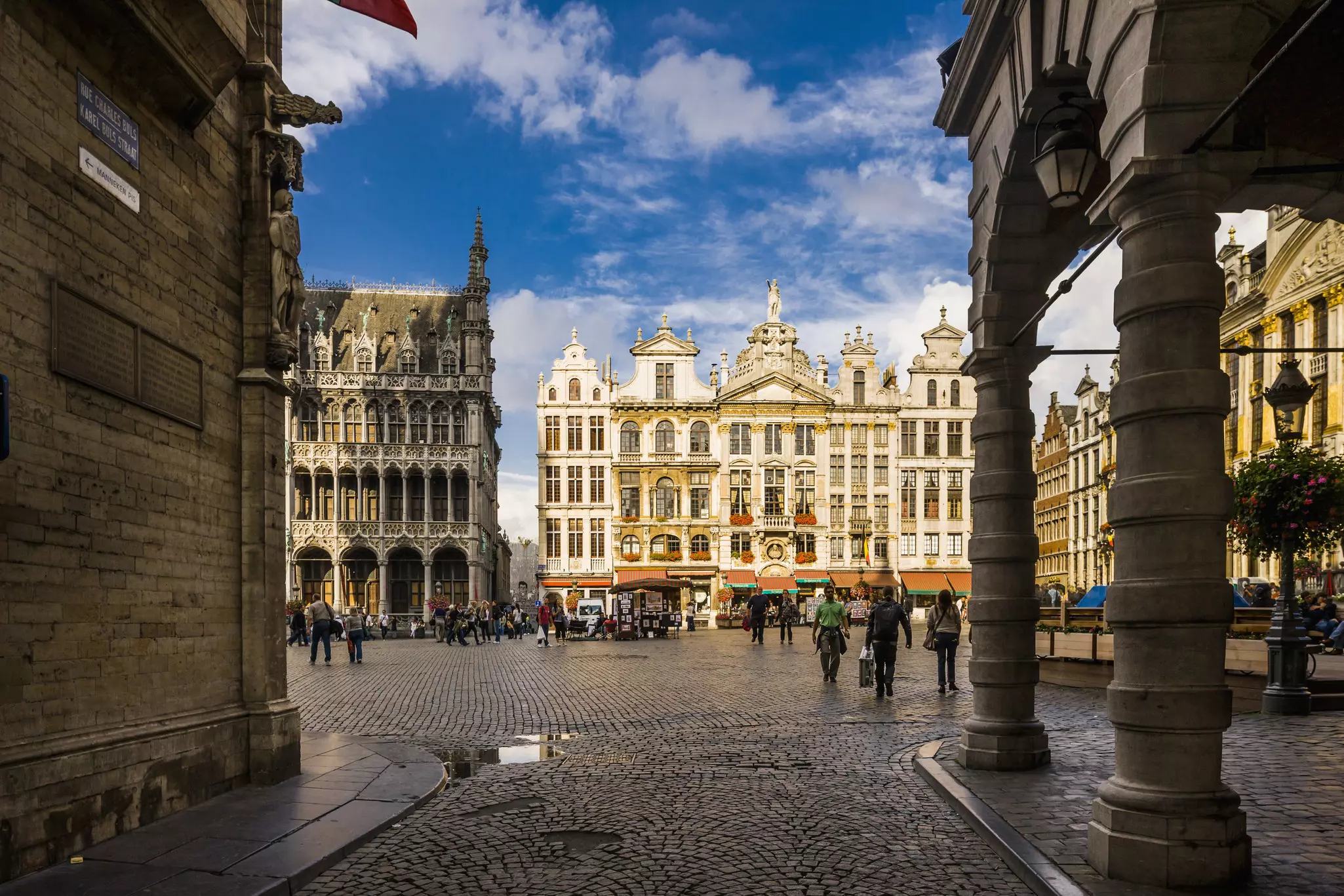
Finally, consider your footwear. Belgium’s beautiful historic centers are paved with cobblestones. To avoid a twisted ankle or wet feet, you are better wearing water-resistant, flat walking shoes, rather than heels or thin sneakers.
3. Be mindful of languages – Belgium has three
When it comes to the local language, Belgium can be a bit puzzling, since the country has three national ones. Dutch is spoken in the north (Flanders), where the majority of Belgians live. French is spoken in Wallonia in the south, and there is a small but thriving German-speaking community in the east. Brussels is officially bilingual, but French is the dominant language. Using the wrong language (especially in Flanders) might be seen as insensitive or just plain ignorant. Not sure what language to use? English is a neutral bridge, and it’s widely spoken across the country.
4. Plan around Sunday and Monday closures
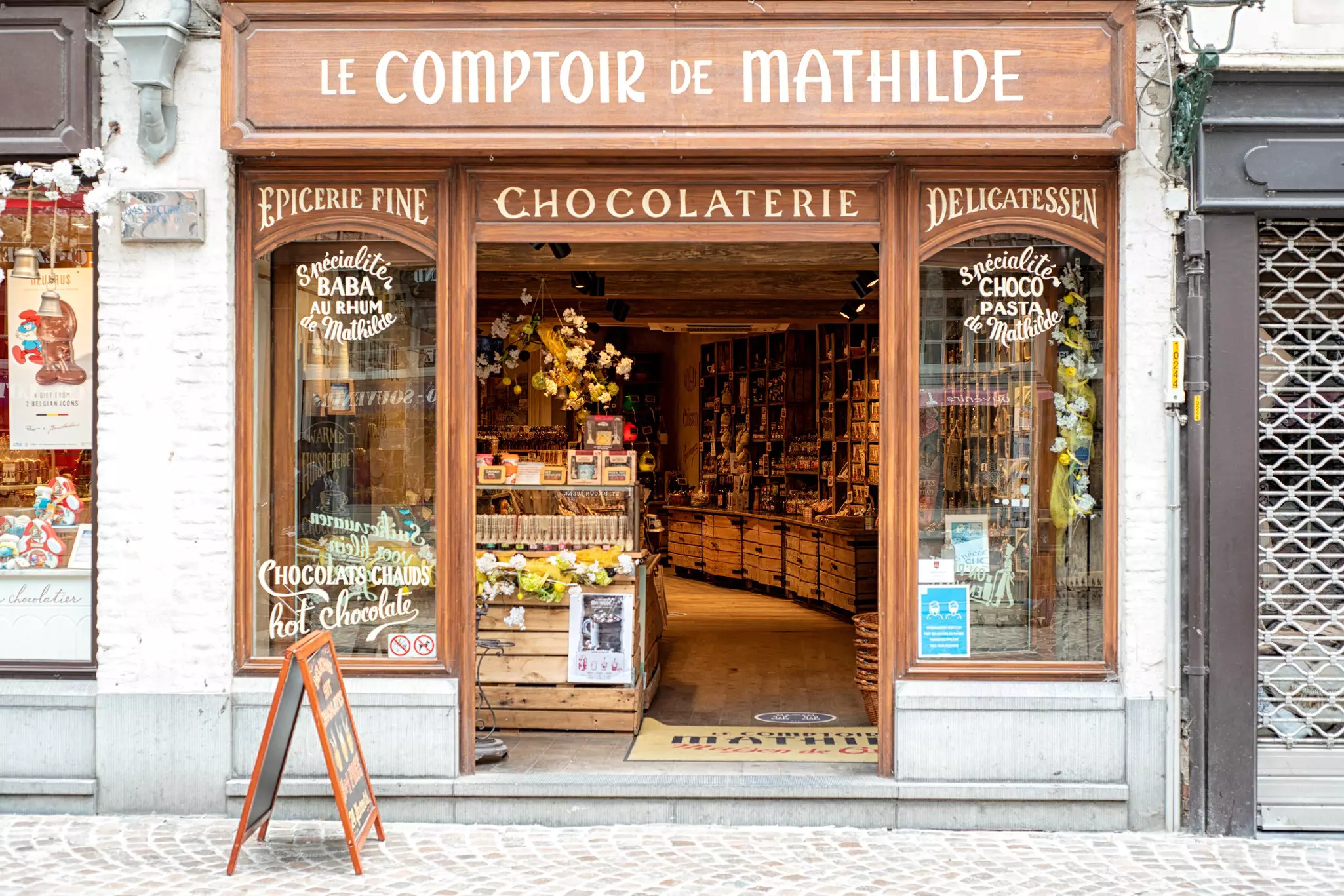
Although it’s starting to change, most stores, including some supermarkets, and services like pharmacies are closed on Sundays. While some exceptions exist in major tourist areas, it’s best not to count on it. Additionally, while museums are largely open on Sundays, they usually close on Mondays, as do many restaurants, independent boutiques and even hairdressers.
If you urgently need medication after hours or on a Sunday, look at the front door of any local pharmacy; they are legally required to display the address of the nearest on-duty pharmacy, called either pharmacie de garde or apotheek van wacht.
5. Go cashless, but keep some change for the bathroom
Belgium has become largely cashless. Groceries, restaurant meals, drinks at a bar and most public transportation fares can be paid for by simply tapping your credit card or smartphone. However, one cash-only bastion remains: public bathrooms. At train stations, movie theaters, clubs and even fast-food restaurants, be ready to hand over some coins (€0.50 to €1.50) to Madame or Monsieur Pipi, the overseers of their assigned bathrooms. With ATMs becoming increasingly rare, don’t think twice about withdrawing some cash when you spot one.
6. Use the efficient public transportation network
When getting around Belgium, whether traveling between cities or within one, you can rely on the particularly robust public transportation system. The train network, operated by SNCB-NMBS, is one of the densest in Europe; traveling from Brussels to Bruges or Namur is incredibly easy. There is no need to book in advance, and stations are usually located right in the city centers. Although Belgians like to complain about trains being tardy, it’s the most efficient way to reach your destination.
Traveling within a city? Belgian urban centers are quite compact, easily walkable and well serviced by the three regional transport companies: STIB-MIVB in Brussels, De Lijn in Flanders, and TEC in Wallonia. You won’t need to rent a car or call a cab unless you are heading to a remote area or returning home late after a night on the town.
7. Master the art of eating mussels and fries
Belgians do not joke about their national dish: mussels and fries (moules et frites or mosselen met friet). The mollusks are cooked in a dizzying array of broths and sauces: with white wine (au vin blanc or met witte wijn), beer (à la bière or met bier) or cream (à la crème or met room), or in Ardennaise style, including bits of bacon, veggies, cream and mushrooms. Some restaurants offer over 30 variations.
But the most important thing to know is how to eat mussels properly. If it’s your first time, order the classic moules marinières, which come in a simple, fragrant broth of celery, parsley, onions and butter. Pick a sturdy shell and pry it open with your fingers or a fish fork, but keep the shell attached at the hinge. Use this shell as pincers to pluck the rest of your mussels out of their casings and grab the fries. Voilà, you’re eating like a real Belgian! Discard empty shells in the upturned lid. A closed shell means the mussel wasn't alive when cooked, and you should just throw it away.
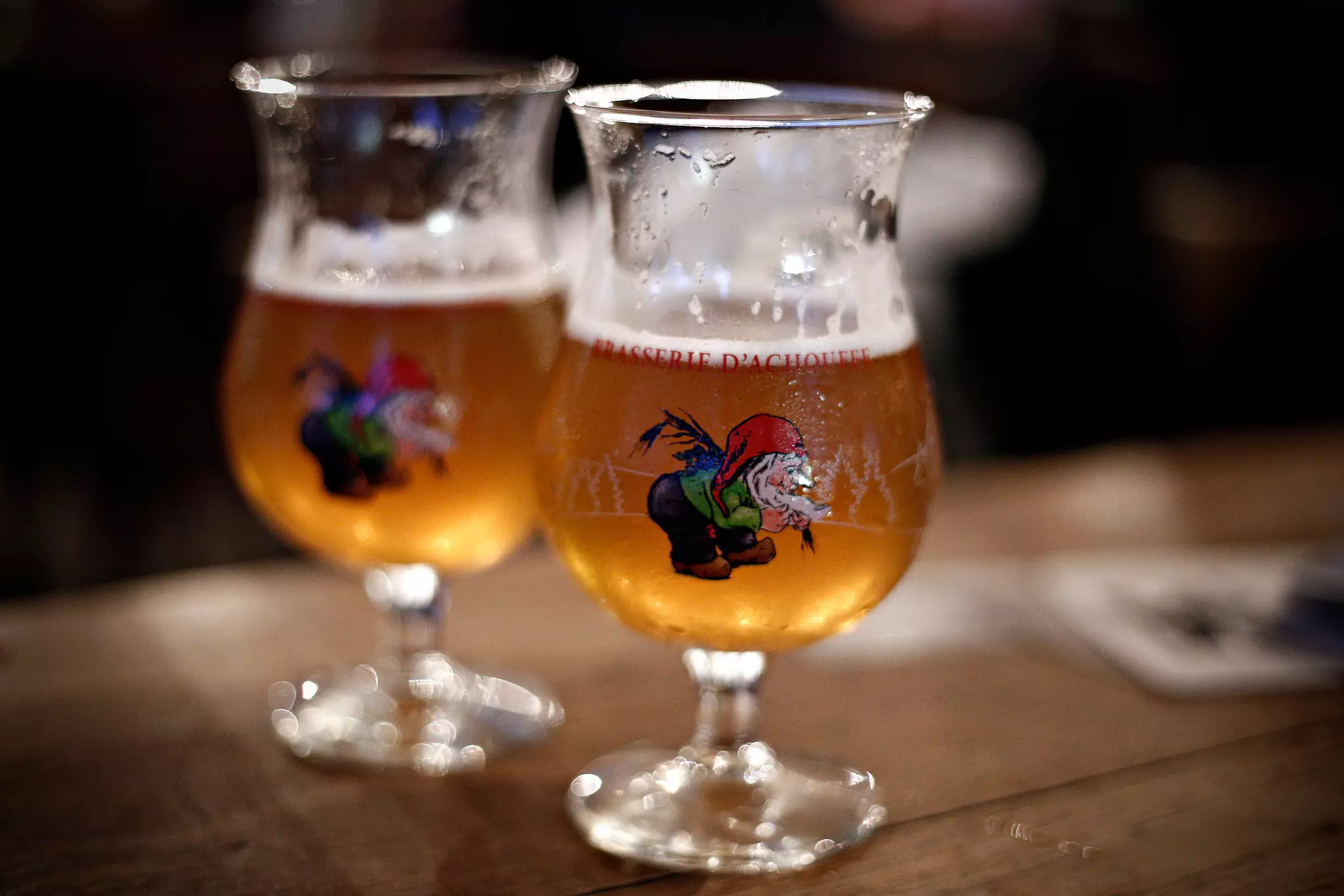
To perfect the experience, pair your meal with a crisp Belgian blonde beer, a refreshing white (blanche or witbier) or a gueuze, a spontaneously fermented beer from the Brussels area with a distinct fizz and a refreshing tartness.
8. Be safe, not paranoid
Belgium is a really safe country to travel in, though in recent years, cities like Brussels and Antwerp have seen a rise in drug-related incidents and petty crime, which occasionally makes international headlines. The vast majority of these incidents occur in neighborhoods off the typical tourist's path.
Simply keep your wits about you, just as you would in any major world capital, and be particularly vigilant at the large train stations in Brussels, like Gare du Midi and Gare du Nord. While safe during the day, they can feel grubby and intimidating late at night. If you’re arriving late by Eurostar, use public transportation, or consider prebooking a taxi or using a ridesharing app.
For solo female travelers, Belgian men are generally respectful, and catcalling is less common than in other destinations. However, if you feel uncomfortable, step into the nearest shop or a busy cafe. Locals will help if you explicitly ask.
Advertisement
Take your Belgium trip with Lonely Planet Journeys
Time to book that trip to Belgium
Lonely Planet Journeys takes you there with fully customizable trips to top destinations – all crafted by our local experts.

Explore related stories




Jun 4, 20226 min read
Belgium’s best national parks and nature reserves: a short guide to its wild side